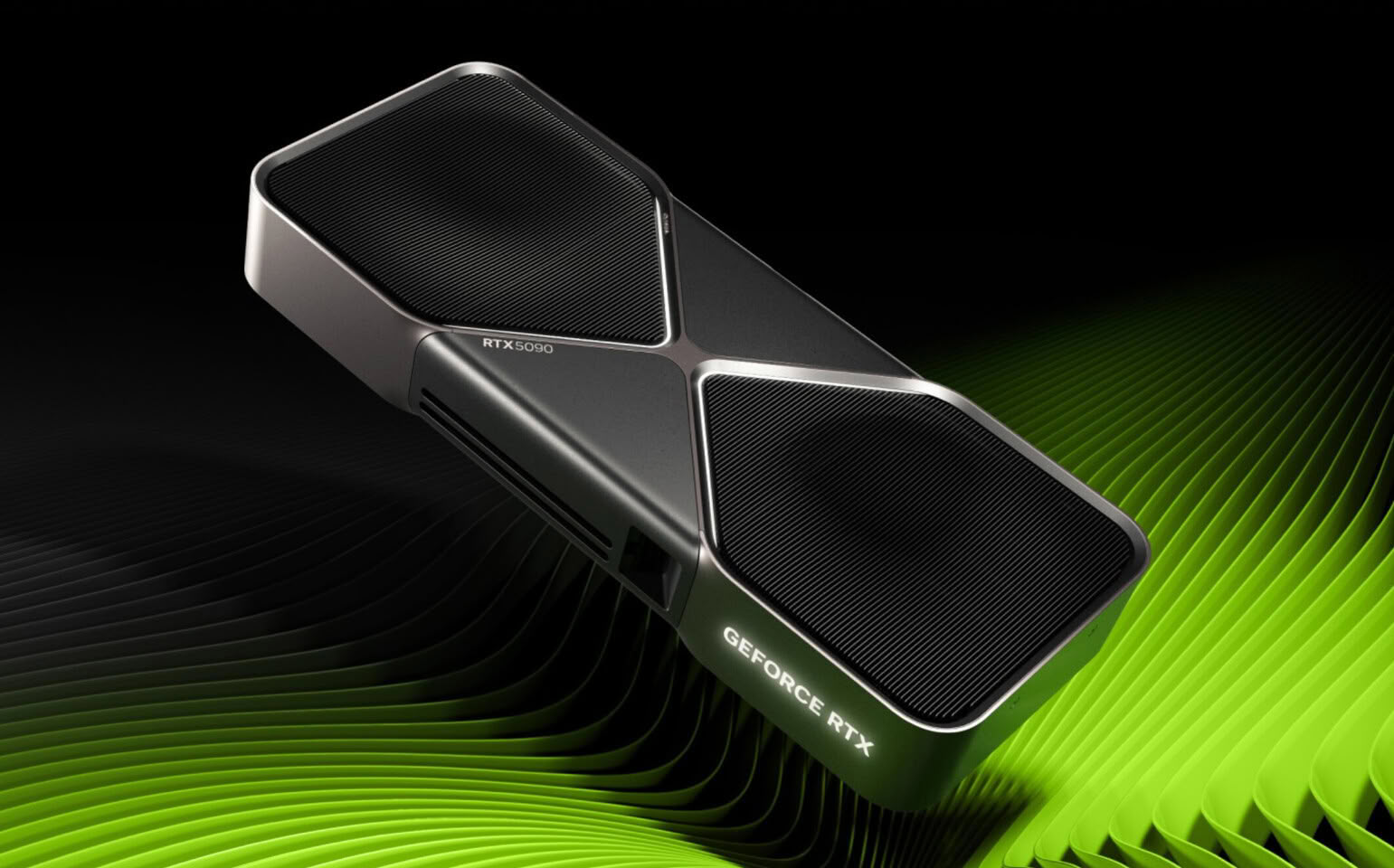
NVIDIA GeForce RTX 50 SUPER Graphics Cards: Latest Updates and Delays
The highly anticipated NVIDIA GeForce RTX 50 SUPER series graphics cards have reached the company’s board partners, but their official launch remains on hold. According to industry sources, including VideoCardz, NVIDIA has shipped the new RTX 50 SUPER silicon to its partners. However, the release is delayed due to a shortage of advanced GDDR7 memory chips, which are essential for the upgraded models.
GDDR7 Memory Shortage Impacts Launch Timeline
The GeForce RTX 50 SUPER lineup was expected to feature denser GDDR7 memory modules, each offering 3 GB of capacity. This upgrade would have increased the memory configurations for the GeForce RTX 5070 SUPER, RTX 5070 Ti SUPER, and RTX 5080 SUPER. Early reports suggested the RTX 5070 SUPER would be equipped with 18 GB of memory, while both the RTX 5070 Ti SUPER and RTX 5080 SUPER would offer 24 GB of GDDR7 memory.
Despite the new memory modules, all other core specifications of the RTX 50 SUPER series are expected to remain unchanged. The delay is primarily due to the limited availability of 3 GB GDDR7 modules, which are currently being prioritized for NVIDIA’s high-margin AI GPU products, such as the RTX PRO 6000 “Blackwell” and “Rubin CPX.” As a result, the gaming-focused RTX 50 SUPER cards are on hold, and the standard GeForce RTX 50 series—using more readily available 2 GB GDDR7 modules—remains the only option for consumers at this time.
Power Consumption and Performance Insights
Recent updates from the Seasonic PSU calculator have fueled further speculation about the upcoming RTX 50 SUPER refresh. According to the calculator, the GeForce RTX 5080 SUPER is listed with a Total Graphics Power (TGP) of 415 W, a notable increase from the RTX 5080’s 360 W. Similarly, the RTX 5070 Ti SUPER is rated at 350 W, up from the 5070 Ti’s 300 W, while the RTX 5070 SUPER is expected to draw 275 W compared to the original RTX 5070’s 250 W.
These increases in power requirements are likely attributed to the enhanced memory capacity, as the 3 GB GDDR7 modules demand more power for optimal performance. While the core GPU architecture and CUDA core counts remain unchanged, the RTX 50 SUPER series may feature slight frequency improvements to complement the higher TGP ratings.
What This Means for Gamers and the GPU Market
The delay in the GeForce RTX 50 SUPER series highlights the ongoing challenges in the semiconductor supply chain, particularly for cutting-edge memory technologies. With NVIDIA prioritizing its AI GPU lineup, gamers will need to wait longer for the next generation of high-performance graphics cards. In the meantime, the standard RTX 50 series continues to serve as the primary option for those seeking the latest in gaming GPU technology.