NVIDIA’s “Blackwell-Next” Patches Signal Progress Toward Rubin GPUs in Linux Kernel
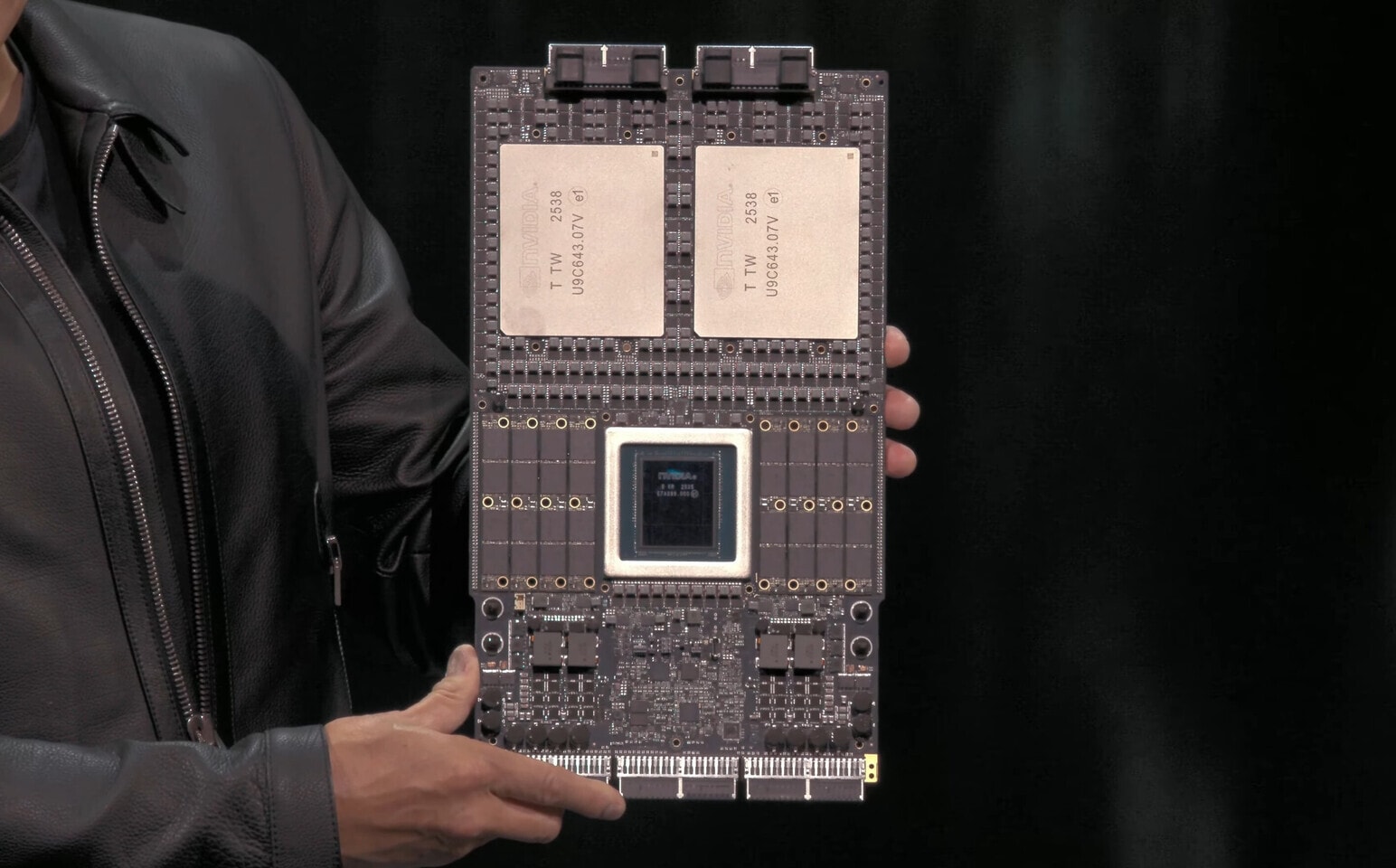
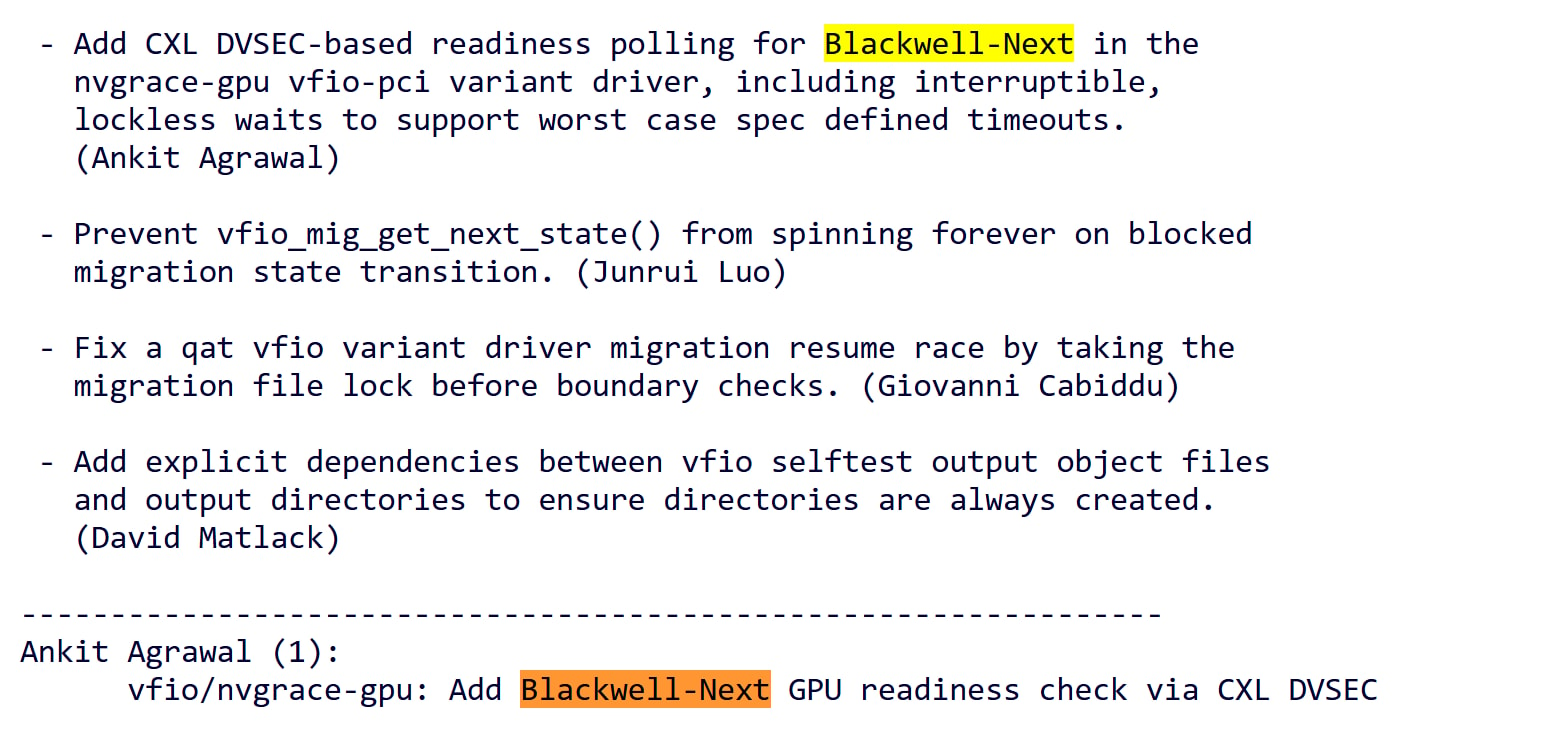
NVIDIA’s upcoming generation of graphics cards, currently referenced as “Blackwell-Next,” has started to make its way into the Linux kernel through a series of integration patches. The most recent updates are particularly notable for introducing support for Compute Express Link (CXL), a high-speed CPU-to-device and CPU-to-memory interconnect designed to enhance performance in data-intensive workloads.
What stands out in these patches is the continued use of the “Blackwell-Next” designation for NVIDIA’s next-generation GPU architecture. This is somewhat surprising, as NVIDIA has already publicly confirmed the codenames for its future GPU architectures. The current “Blackwell” generation, which includes the “Blackwell Ultra” variant in the B300 series, is set to be succeeded by the “Rubin” architecture. Despite this, the Linux kernel patches still refer to the upcoming GPUs as “Blackwell-Next,” creating some confusion within the developer and enthusiast communities.
Clarifying NVIDIA’s GPU Architecture Roadmap
The use of “Blackwell-Next” does not appear to be a distinction between consumer and server products. Both GeForce RTX GPUs for consumers and server-grade AI accelerators are available in “Blackwell” versions and are expected to transition to “Rubin” in the future. NVIDIA’s roadmap also includes plans to update its RTX Spark SoC with the “Vera” CPU and “Rubin” GPU, maintaining consistent naming conventions across both consumer and enterprise product lines.
This makes the “Blackwell-Next” reference in the Linux kernel patches an isolated case, rather than an indication of a new or separate product line. It may simply be a placeholder or an internal naming convention used by NVIDIA’s engineering teams during the development and integration process.
What the “Blackwell-Next” Patch Means for Linux and GPU Development
The appearance of “Blackwell-Next” in Linux kernel patches is a strong indicator that development work on the next generation of NVIDIA GPUs is progressing steadily. The inclusion of CXL support highlights NVIDIA’s commitment to advancing high-performance computing and AI workloads, ensuring that both server and consumer products will benefit from the latest interconnect technologies.
While the naming inconsistency may raise questions, it ultimately serves as a reminder that the launch of the first “Rubin” GPUs is on the horizon. As the Linux kernel continues to evolve with support for new hardware, users and developers can expect improved compatibility and performance with NVIDIA’s forthcoming graphics architectures.