SteamOS 3.8: Major Update Brings Enhanced Compatibility and Performance
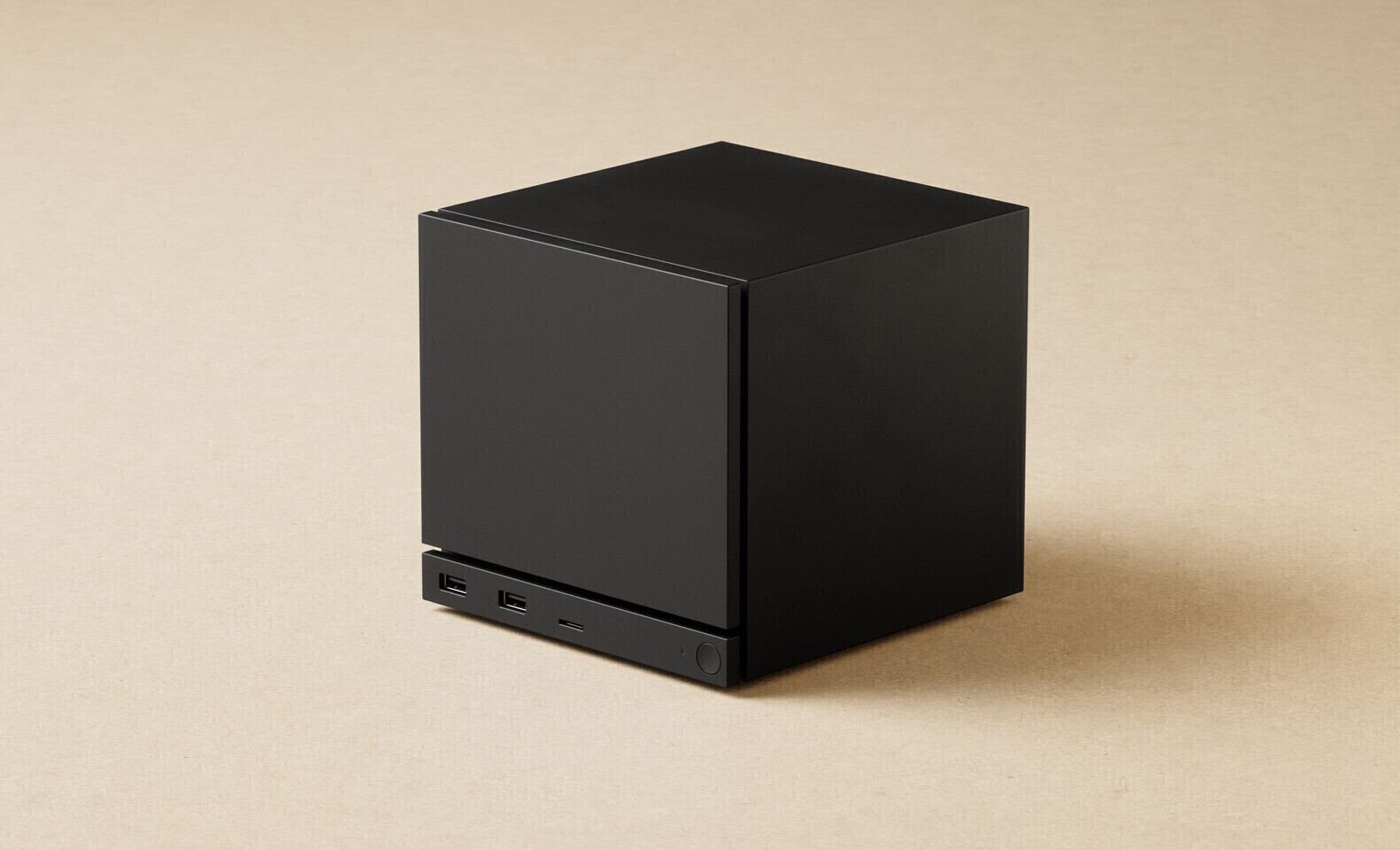
The release of SteamOS 3.8 marks a significant milestone for PC gaming enthusiasts and DIY builders. As anticipation grows for the official Valve Steam Machine, many gamers are exploring ways to run SteamOS on custom gaming desktops or repurpose devices like the Lenovo Legion Go, especially in light of recent Steam Deck price increases. SteamOS 3.8, now available in the stable channel, introduces a range of improvements focused on compatibility, performance, and user experience.
Key Features and Improvements in SteamOS 3.8
SteamOS 3.8 delivers initial support for the upcoming Steam Machine, making it easier for users to create hybrid PC-console setups. The update also brings a series of bug fixes and refinements, enhancing both the operating system and gaming experience.
- Updated Linux Base and Desktop Environment: SteamOS 3.8 upgrades its Arch Linux foundation and KDE Plasma desktop mode to KDE 6.4.3, ensuring a modern and stable environment for both gaming and productivity.
- Wayland Display Protocol by Default: The switch to Wayland as the default display protocol offers improved graphics performance and smoother desktop interactions.
- Enhanced VRR and HDMI 2.1 Support: Thanks to AMD’s recent contributions, SteamOS 3.8 introduces better Variable Refresh Rate (VRR) frame pacing and HDMI VRR support, delivering a smoother gaming experience on compatible displays.
- Advanced CPU Scheduling: Users can now manually enable the LAVD CPU scheduler with the command
steamosctl set-cpu-scheduler lavdfor optimized performance. - Graphics Driver Updates: The latest graphics drivers address performance discrepancies between game mode and desktop mode, particularly resolving regressions in desktop mode.
- Bluetooth Wake Improvements: Bluetooth wake from sleep is re-enabled for Steam Deck LCD models, enhancing convenience for handheld users.
- Game Capture and Display Enhancements: Game mode now features improved game capture, while desktop mode adds support for HDR, VRR, and per-display scaling on external monitors.
- Better Video Memory Management: Desktop builds benefit from significant improvements in video memory management, especially on systems with discrete GPUs and the latest Intel and AMD hardware.
Expanded Hardware and Controller Support
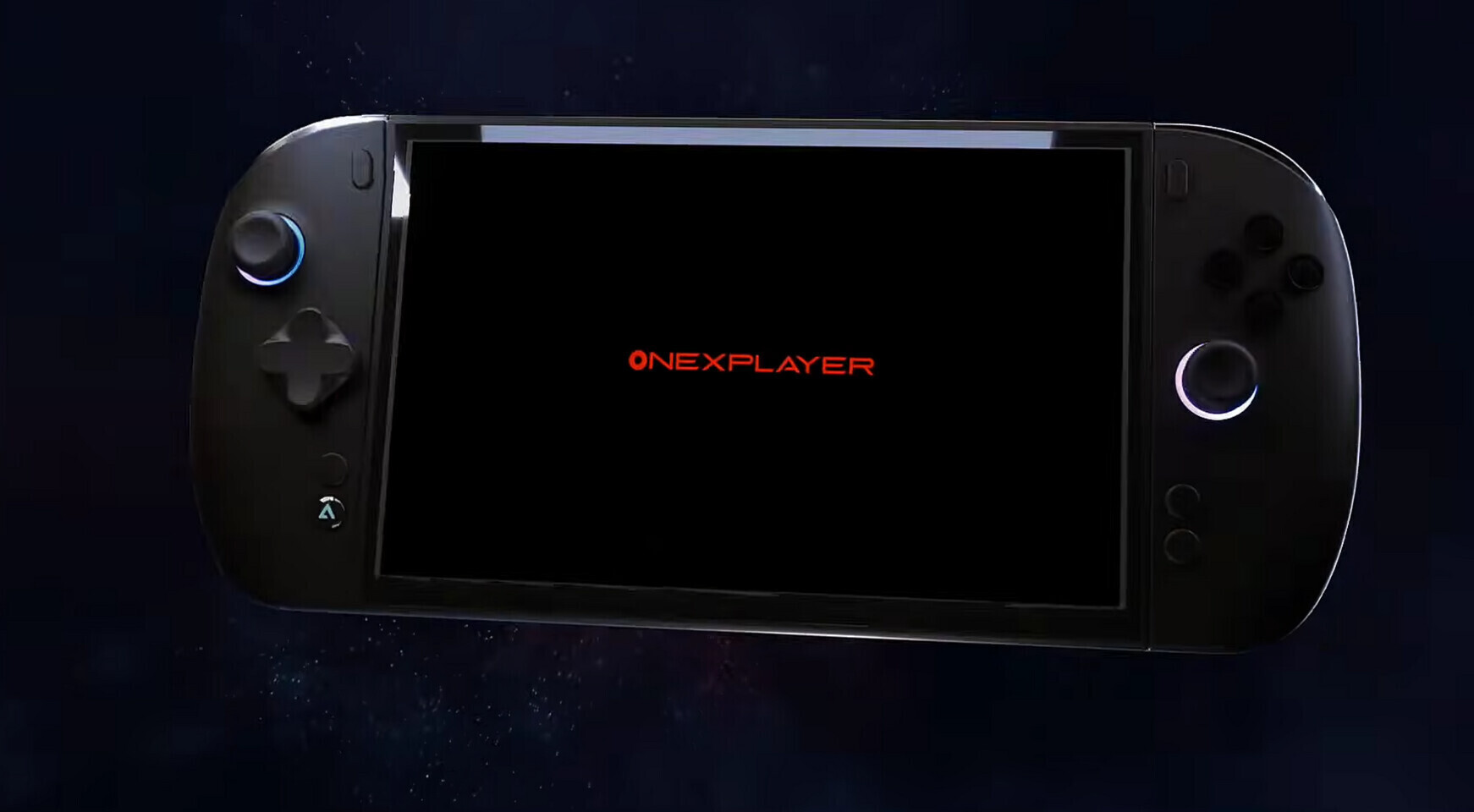
SteamOS 3.8 extends its compatibility to a wide range of gaming handhelds and platforms, making it a versatile choice for custom builds and portable gaming devices. Newly supported or improved devices include:
- OneXPlayer F1 series, Apex, and X1
- GPD Win 5 and GPD Win Mini
- Anbernic Win600
- Lenovo Legion Go 2
- Upcoming Intel Arc handhelds
- MSI Claw A1M, 7AI+, 8 AI+, A2VM, and A8 BZ2EM
Conclusion
With SteamOS 3.8, Valve continues to refine its Linux-based gaming operating system, offering improved performance, broader hardware support, and a more polished user experience. Whether building a custom Steam Machine or optimizing a handheld gaming device, this update provides a robust foundation for modern PC gaming.