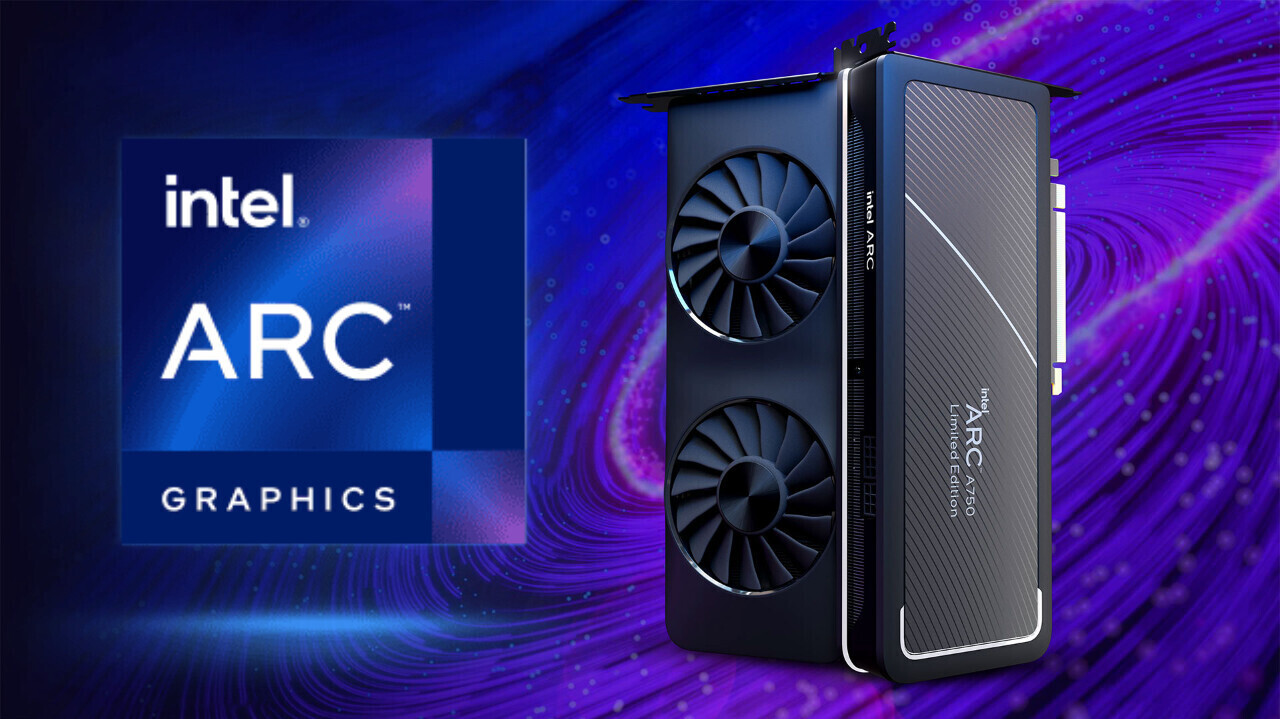
Intel Reaffirms Commitment to High-End Arc GPUs Amid Industry Speculation
Intel’s approach to launching its Arc graphics cards has often sparked discussion within the tech community. Traditionally, the company introduces its Arc GPU lineup—such as the current Xe2 "Battlemage" and the previous Xe "Alchemist"—by releasing lower-end and mid-range models first. This staggered rollout has occasionally led to speculation that Intel might be stepping back from the high-end GPU market, a move reminiscent of AMD’s current RDNA 4 strategy. However, recent developments indicate that Intel remains firmly invested in delivering high-performance graphics solutions for gamers and professionals alike.
Intel Expands Engineering Team for High-End GPU Development
A newly published job listing from Intel provides clear evidence of the company’s ongoing commitment to high-end discrete graphics cards. The listing highlights opportunities for engineers to work on “cutting-edge technology,” specifically focusing on optimizing and validating the gaming performance of high-end Desktop System-on-Chip (SoC) designs. The emphasis on dGFX (discrete graphics) gaming performance underscores Intel’s dedication to advancing its premium GPU offerings.
This move directly counters rumors of Intel scaling back its ambitions in the high-end GPU segment. By actively recruiting talent to enhance its top-tier graphics products, Intel signals its intention to compete with established industry leaders in the gaming and creative markets.
Ongoing Investment in the Arc GPU Platform
Further reinforcing its position, an Intel spokesperson recently confirmed that the company will “continue to have GPU product offerings,” even as competitors like NVIDIA make significant investments in the sector. This assurance provides confidence to current and prospective Arc users that Intel is committed to the long-term development of its GPU ecosystem.
Currently, Intel is shipping its Arc "Battlemage" GPUs, with the higher-end Arc B770 model reportedly slated for release during the holiday season. Looking ahead, Intel plans to integrate parts of its Xe3 "Celestial" architecture for graphics rendering and Xe4 "Druid" for media and display functions in the upcoming "Nova Lake" SoCs, expected in 2026. These advancements highlight Intel’s roadmap for delivering innovative graphics solutions across a range of computing platforms.
Looking Forward: Intel’s High-End GPU Ambitions
As the graphics card market continues to evolve, all eyes are on Intel to see how its upcoming high-end GPUs will stack up against current and next-generation offerings from AMD and NVIDIA. With ongoing investments in engineering talent and a clear product roadmap, Intel is positioning itself as a serious contender in the high-performance GPU space, aiming to meet the demands of gamers, creators, and professionals seeking advanced graphics capabilities.